Audi Maintenance Costs & Preventive Maintenance for Petrol and Diesel Engines (2025-2026)
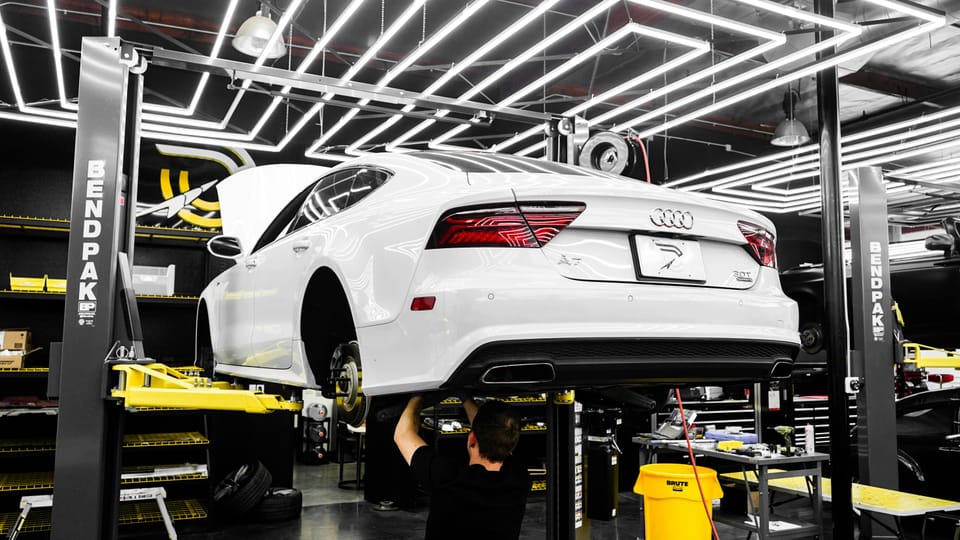
Owning an Audi is a rewarding experience – the brand is known for its precision engineering, luxurious interiors and engaging performance. However, Audi models tend to carry higher maintenance costs than mass‑market cars and the maintenance needs differ between petrol and diesel variants. This guide demystifies Audi maintenance costs for 2025–2026 and offers detailed preventive maintenance recommendations for both petrol and diesel Audi engines.
How Much Does It Cost to Maintain an Audi?
Average annual maintenance cost
Independent repair‑data provider RepairPal estimates that keeping an Audi on the road costs its owner about $987 per year in maintenance and repairs. That figure is roughly $335 more per year than the industry average of $652. Compared to rivals in the luxury segment, Audi’s average cost is competitive – BMW averages $968 per year and Mercedes‑Benz $908 – but all premium brands sit well above Honda ($428) and Toyota ($441).
Why Audi costs are higher
Several factors drive up Audi maintenance costs:
| Factor | Impact |
|---|---|
| Complex engineering | Audi vehicles use sophisticated turbocharged engines, Quattro all‑wheel‑drive systems and advanced electronics. Specialized parts and labour make repairs costlier than for mainstream cars. |
| Reliability ranking | RepairPal ranks Audi 28th out of 32 brands for reliability, and J.D. Power’s 2025 dependability survey also places Audi near the bottom. Lower reliability means more frequent repairs and higher out‑of‑pocket costs once the warranty expires. |
| Model‑specific costs | Average maintenance costs vary by model: the Q5 ($928/year), Q3 ($915/year) and A5 ($798/year) illustrate how some models cost less while others approach or exceed the $1 k mark. |
Scheduled maintenance vs. repairs
Audi’s 4‑year/50 000‑mile New Vehicle Limited Warranty covers most repairs during the early ownership period. After that, you’re responsible for both regular services and unscheduled repairs. On average, Audi vehicles visit the repair shop 0.8 times per year, and 13 % of those visits are considered severe. Proper preventive maintenance can reduce the likelihood of catastrophic failures and help manage long‑term costs.
Audi Maintenance Schedules Explained
Audi recommends following either a flexible or fixed service regime, available for most petrol and diesel models. Your vehicle’s Multi‑Media Interface (MMI) or the myAudi app will display upcoming service events, but understanding the underlying intervals helps you budget ahead.
Flexible service regime
The flexible regime adjusts the oil‑change interval based on how the engine oil degrades, taking into account driving style and conditions. Under this regime:
- Oil service: Determined by oil condition but no later than every 18 600 miles or two years.
- Inspection service: Every 18 600 miles or two years.
Drivers who frequently take longer motorway journeys may stretch oil‑change intervals toward the 18 600‑mile maximum, while short‑trip, stop‑and‑go driving or cold climates can trigger oil changes closer to 9 300 miles. The flexible regime is designed to be cost‑effective but may not be available for all models; consult your local Audi centre to confirm eligibility.
Fixed service regime
Some owners prefer predictable service dates and opt for the fixed regime. Under this plan:
- Oil service: Every 9 300 miles or one year, whichever comes first.
- Inspection service: Every 18 600 miles or two years.
The fixed schedule aligns with other routine items such as brake‑fluid changes, air filters and MOT requirements. It’s often recommended for vehicles used primarily in urban settings, or for drivers who prefer regular yearly servicing for peace of mind.
Example: Audi Q5 service intervals
To illustrate the typical service items on a modern Audi, ConsumerAffairs lists the maintenance schedule for a 2023 Audi Q5:
| Service item | Interval |
|---|---|
| Change engine oil and filter | Every 10 000 miles |
| Multipoint inspection (brakes, tires, chassis, engine, lighting, suspension) | Every 10 000 or 20 000 miles |
| Check fluid levels and replace wiper blades | Every 20 000 miles |
| Replace dust and pollen filter | Every two years or 20 000 miles |
| Change brake fluid | Every two years, regardless of mileage |
| Replace spark plugs and transmission fluid | Every 40 000 miles |
| Replace ribbed V‑belt starter | Every 60 000 miles |
While this schedule is specific to the Q5, other Audi models follow similar intervals with minor variations. Always consult your owner’s manual or Audi’s official maintenance guide for your exact model and engine type.
Petrol vs. Diesel Audi Maintenance
Audi builds vehicles with petrol (gasoline) and diesel engines. These powerplants share core engineering but differ in ignition methods and emissions systems, which affects maintenance intervals and costs.
How petrol and diesel engines differ
Petrol engines ignite fuel with spark plugs and typically operate at higher revolutions, offering smoother performance. Diesel engines use high compression to ignite fuel, delivering higher torque and efficiency but relying on higher pressures and specialised components.
Key maintenance tasks for petrol Audi models
Petrol engines are generally simpler and cheaper to maintain. Important tasks include:
- Oil changes every 10 000‑15 000 km: Petrol engines use standard oils, making oil changes relatively affordable.
- Spark plug replacement every 50 000‑80 000 km: Worn plugs can cause misfires and poor efficiency.
- Air and fuel filter replacement: Clean filters maintain fuel efficiency and throttle response.
- Routine engine checks: Petrol cars have simpler emissions systems, meaning fewer components require frequent attention.
Key maintenance tasks for diesel Audi models
Diesel engines require more meticulous servicing:
- More frequent oil changes: Diesel engines typically require oil changes every 8 000‑12 000 km and often need high‑specification synthetic oils.
- Fuel filter replacement every 30 000‑40 000 km: Diesel fuel is more susceptible to contamination, so the fuel filter must be replaced regularly.
- Glow plug checks and replacements: Diesel engines use glow plugs instead of spark plugs; these should be inspected periodically and replaced when needed.
- Diesel Particulate Filter (DPF) maintenance: The DPF traps soot from exhaust gases; it needs regular regeneration and occasional cleaning to prevent blockages.
- Specialist components: Diesel engines include turbochargers, high‑pressure fuel pumps and sophisticated emissions controls like EGR valves. These systems require skilled technicians and often raise service costs.
Cost differences and lifestyle considerations
Because petrol engines have fewer specialised components, they usually have lower servicing costs. Diesel engines incur higher maintenance bills but deliver better fuel economy, which offsets some of the cost for high‑mileage drivers. Routine service intervals also differ: petrol cars typically require service every 15 000 km or annually, whereas diesel cars usually need servicing every 10 000‑12 000 km or annually. Drivers who frequently undertake short trips may need shorter intervals for diesel engines to protect the DPF.
Preventive Maintenance Tips to Reduce Audi Ownership Costs
Regular preventive maintenance helps avoid expensive repairs and keeps your Audi performing like new. Here are key tips:
- Follow the recommended service regime. Whether you choose the flexible or fixed schedule, staying on top of oil changes, inspections and fluid replacements ensures warranty coverage and reduces wear. Use the myAudi app or MMI to track upcoming services.
- Budget for major services. Big‑ticket items like the 60 000‑mile service (including belt and fluid replacements) can cost $700–$900 for an Audi Q5. Spread these costs over time to avoid sticker shock.
- Monitor oil consumption. Some Audi engines (particularly early 2.0T models) are known for excessive oil consumption; check oil levels regularly and address leaks promptly to prevent engine damage.
- Use the right fluids and parts. Always use OEM‑approved oils, filters and spark plugs. Diesel owners should be especially diligent about DPF‑friendly oils and fuel filters.
- Drive gently. Smooth acceleration, timely gear changes and avoiding rough roads reduce stress on suspension and drivetrain components. ConsumerAffairs notes that hard stops and aggressive acceleration increase wear on Audi’s precision‑engineered components.
- Don’t skip minor repairs. Ignoring a small oil leak or warning light can lead to major repairs; Audi vehicles average 0.8 repair visits per year, and early attention prevents minor issues from escalating.
- Consider extended warranties or prepaid maintenance plans. Audi offers prepaid maintenance options to help stabilise costs after the factory warranty expires. These plans can be attractive if you plan to keep the car beyond four years.
Conclusion: Is an Audi Worth the Maintenance Cost?
Owning an Audi comes with higher maintenance costs than driving a mainstream car. An average annual upkeep of around $987 reflects premium engineering, specialised parts and a reliability ranking that sits below some competitors. Yet Audi vehicles deliver performance, luxury and quattro all‑wheel‑drive capability that enthusiasts crave. Following the manufacturer’s service regime – flexible or fixed – and practising sound preventive maintenance helps keep your Audi running smoothly and can extend its life beyond the warranty period.
Choosing between petrol and diesel Audis boils down to your driving habits. Petrol models offer lower maintenance costs and simpler servicing, making them ideal for city driving and lower annual mileage. Diesel Audis provide better fuel economy and long‑distance durability but require more frequent oil and fuel filter changes and specialised components. Whichever you choose, regular maintenance is the key to enjoying Audi ownership without unexpected breakdowns or budget‑busting repairs.